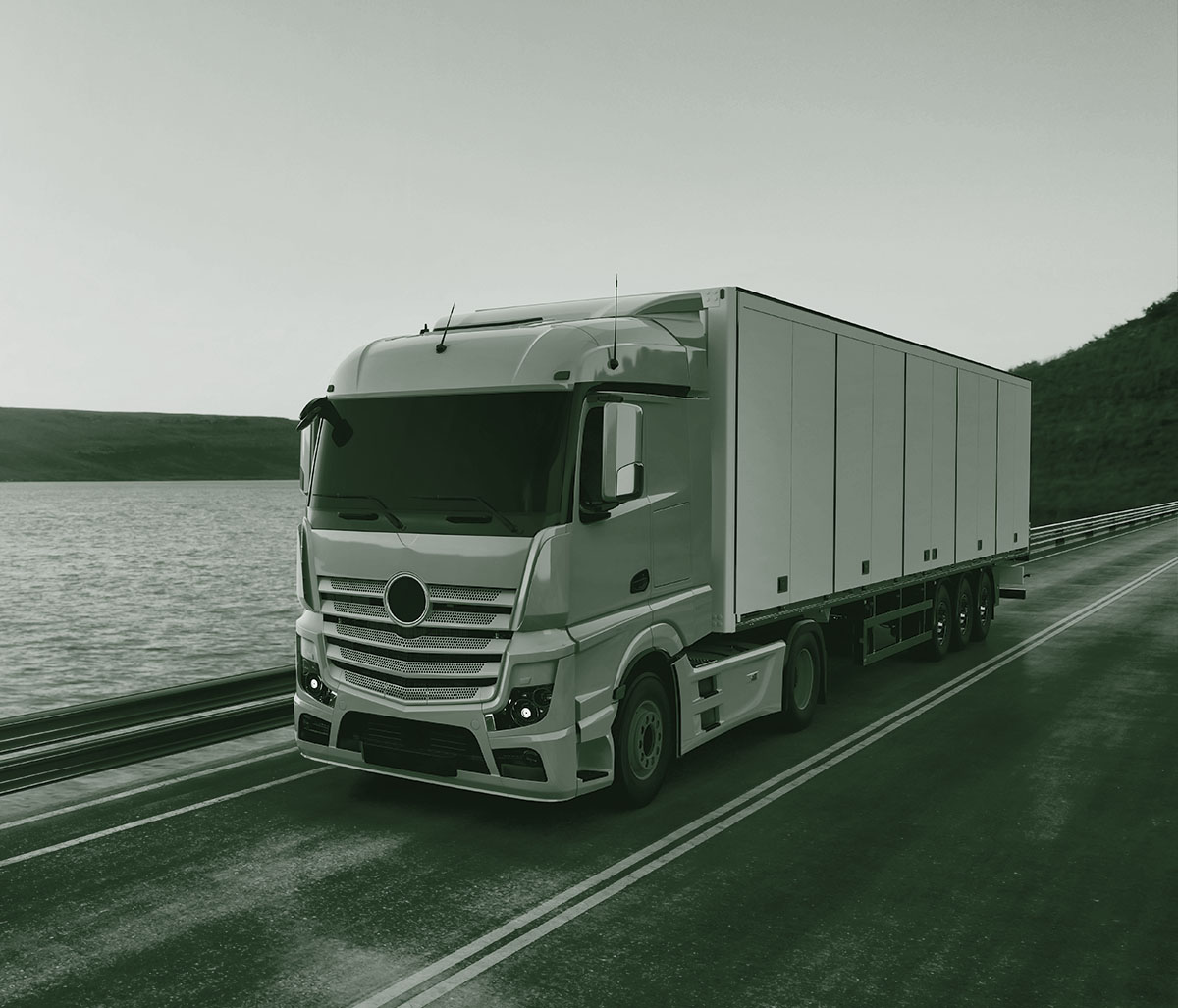
Why road transport remains vital — and which roles are most in demand.
Road logistics has always been the backbone of supply chains. Even with advances in air freight, rail networks and maritime capacity, nothing can match the flexibility, reach and responsiveness that road transport delivers.
From first-mile collections to last-mile delivery, road networks connect every stage of the supply chain — and the demand for skilled professionals who can keep goods moving has never been higher.
At Vidu, we’re seeing rapid growth in hiring across planning, fleet management, and last-mile operations. Here’s why road remains king — and which roles are driving the industry forward.
Why Road Logistics Still Leads the Way
Unmatched flexibility
Road is the only mode of transport that can serve every type of customer — from industrial parks to remote rural areas to urban doorsteps. When goods need to go somewhere precise, road transport closes the gap.
Rapid response capability
Businesses increasingly operate on short planning cycles, same-day needs, and fluctuating demand. Road transport enables route changes, rapid redeployment of vehicles, and dynamic scheduling in ways other modes simply can’t match.
The rise of e-commerce and customer expectations
Next-day and same-day delivery have become the norm. This places enormous pressure on road-based networks and last-mile operations — increasing demand for people who can plan, coordinate, and deliver efficiently.
Essential to multimodal networks
Even when freight moves by sea, air or rail, every journey starts and ends with a truck or van. Road is the connecting tissue that ensures supply chains actually function.
Investment is accelerating
Fleet electrification, telematics, route optimisation tech, and AI planning tools are transforming road logistics — creating both new opportunities and new skill demands.
The Roles That Keep Road Logistics Moving
Road logistics is a people-powered ecosystem. These roles are in highest demand across the sector:
Transport & Route Planners
These are the brains of the operation — professionals who balance customer expectations, cost efficiency, legal requirements, driver hours, and real-world constraints.
Key responsibilities include:
- Creating efficient routes and delivery sequences
- Managing changing schedules, delays, and real-time disruptions
- Working with telematics, optimisation software and TMS platforms
- Communicating with drivers, customers and warehouse teams
- Managing cost-per-drop and service KPIs
Top skills in demand: data literacy, attention to detail, problem-solving, communication, systems knowledge (TMS/telematics).
Fleet Managers & Coordinators
A modern fleet is a moving asset base, and managing it requires a blend of technical, operational and people skills.
Key responsibilities include:
- Ensuring vehicles are roadworthy and compliant
- Managing maintenance, MOTs, inspections and breakdowns
- Overseeing fuel/electric charging strategies
- Tracking vehicle performance and utilisation
- Coordinating with drivers and planning teams
Top skills in demand: compliance knowledge, organisation, vendor management, technical understanding, ability to manage time-critical issues.
Last-Mile Operations Leads
Last-mile delivery is the most customer-facing — and often the most complex — part of road logistics.
Key responsibilities include:
- Managing drivers, routes, delivery performance and customer experience
- Handling parcel volumes, returns, and service-level expectations
- Overseeing hubs, micro-fulfilment centres and local delivery teams
- Analysing delivery success, failed deliveries and productivity
Top skills in demand: leadership, efficiency mindset, adaptability, customer focus, operational management.
Drivers — Still the Heart of Road Logistics
Even with automation and AI planning tools, skilled drivers remain essential. Demand is strong for HGV drivers, van drivers, ADR-certified specialists, and last-mile delivery personnel.
Skills that stand out: safety, reliability, customer care, route knowledge, and the ability to adapt on the road.
Operations Controllers & Transport Supervisors
These professionals keep everything running smoothly across depot operations, scheduling, compliance and real-time control.
The Skills Powering the Future of Road Logistics
Across all roles, these skill areas are becoming increasingly important:
Digital & Systems Proficiency
TMS platforms, telematics, routing software, and real-time tracking tools are standard. Even entry-level roles benefit from technical confidence.
Data Awareness
KPIs, vehicle utilisation, on-time performance, fuel efficiency, cost-per-drop — understanding these metrics is crucial for progression.
Compliance Knowledge
Tachograph rules, working time regulations, vehicle safety, and transport law are essential parts of road operations.
Problem Solving Under Pressure
Breakdowns, delays, weather, customer changes — road logistics is full of surprises. Calm problem-solvers thrive.
Communication & Coordination
Connecting warehouse teams, drivers, customers, planners and fleet providers requires clear, fast, effective communication.
Why Road Logistics Creates Strong Career Paths
Road logistics offers:
- Clear progression from coordinator → planner → supervisor → manager
- Fast-moving environments that reward initiative
- A variety of specialisms, from fleet and compliance to customer experience
- Opportunities across every sector, from retail to manufacturing to FMCG
- Long-term demand driven by e-commerce and global supply chains
Whether you’re just starting out or looking to step into leadership, road logistics provides a robust foundation — and a pathway to senior supply-chain roles.
How Vidu Helps Connect Talent With the Road Logistics Sector
At Vidu, we work with road logistics businesses across the UK to source talent for roles in:
- Planning and scheduling
- Fleet and compliance
- Last-mile operations
- Depot, hub and network management
- Driver recruitment
- Transport leadership
Our video-first approach helps logistics employers see more than just a CV — they get to understand a candidate’s communication, mindset and suitability for fast-moving operational environments.
Whether you’re hiring your next planner or looking to step into road logistics for the first time, we help connect the right people with the right opportunities.
More articles
